21/10/2026




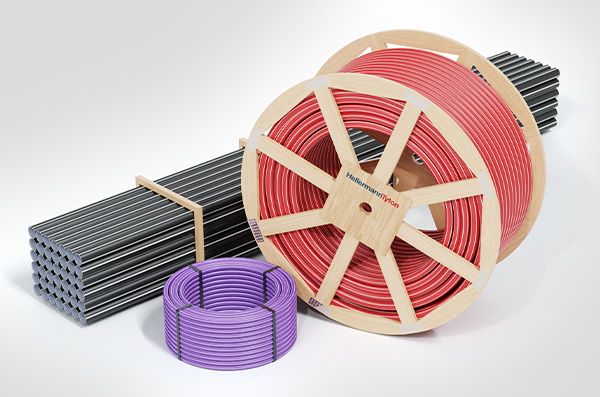
HellermannTyton Utility Duct Systems deliver an innovative, end-to-end approach to underground cable protection. Engineered for telecommunications, power, and smart infrastructure, our high-density polyethylene (HDPE) ducts ensure superior structural performance, rapid deployment, and future-proof reliability.
Our duct systems are engineered for both traditional trenching and trenchless techniques, including horizontal directional drilling (HDD) and thrust boring, enabling faster deployment with minimal disruption.
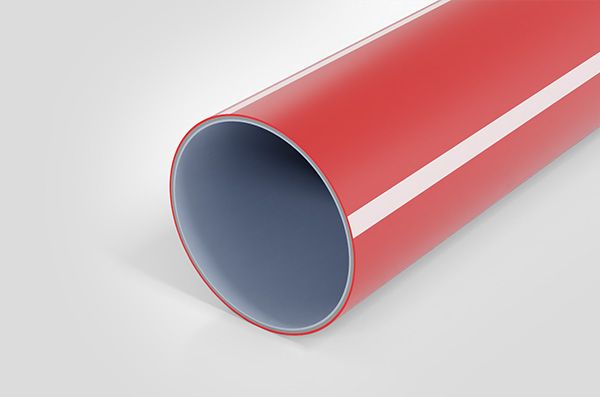
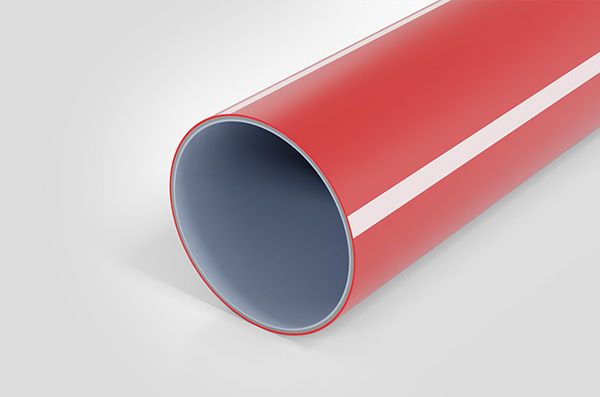
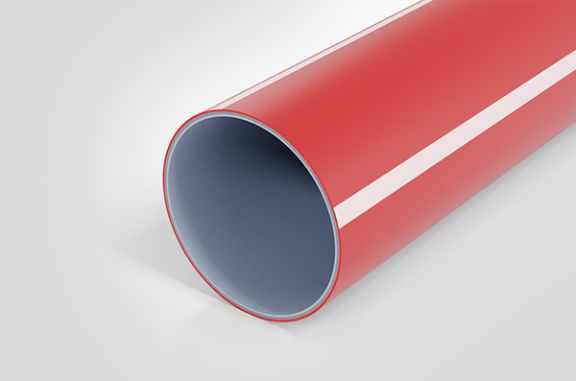
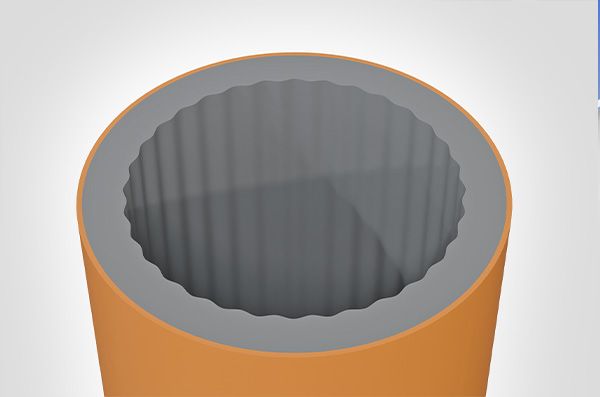
Engineering excellence underpins HellermannTyton’s utility duct portfolio. These ducts feature an advanced three-layer construction, specifically designed to deliver strength, durability, and superior performance in demanding conditions.
While SN (Ring Stiffness) is the preferred specification for buried utility ducts, some projects and international standards may refer to SDR (Standard Dimension Ratio).
Why use SN Rating?
For utility duct systems, the primary design challenge is resisting external loads from soil, traffic, and ground movement rather than containing internal pressure. SN classification directly measures a duct's ability to withstand these external forces, making it the preferred specification for cable protection and utility infrastructure networks.
By contrast, SDR (Standard Dimension Ratio) is most commonly used for pressure pipe systems carrying water, gas, or other fluids. SDR is calculated as: SDR = Outside Diameter ÷ Wall Thickness.
This primarily indicates a pipe's pressure capability rather than its structural performance when buried. While SDR can be an important consideration for trenchless installations, such as horizontal directional drilling, or in heavily pressurised environments where the duct is subjected to pulling forces and internal friction, it does not directly measure resistance to deformation under external ground loads.
For this reason, SN rating remains the most relevant and meaningful specification for utility infrastructure ducting applications.
SN ratings provide:



The interactive landscape below showcases some of our utility duct products and their potential installation locations. If you can't find the exact solution to meet your needs, don't worry our extensive range will have the right solution for you. Drop us a message and we will work with you to configure what you're looking for.